Guides
Jemaa el-Fna: What to Know Before You Go
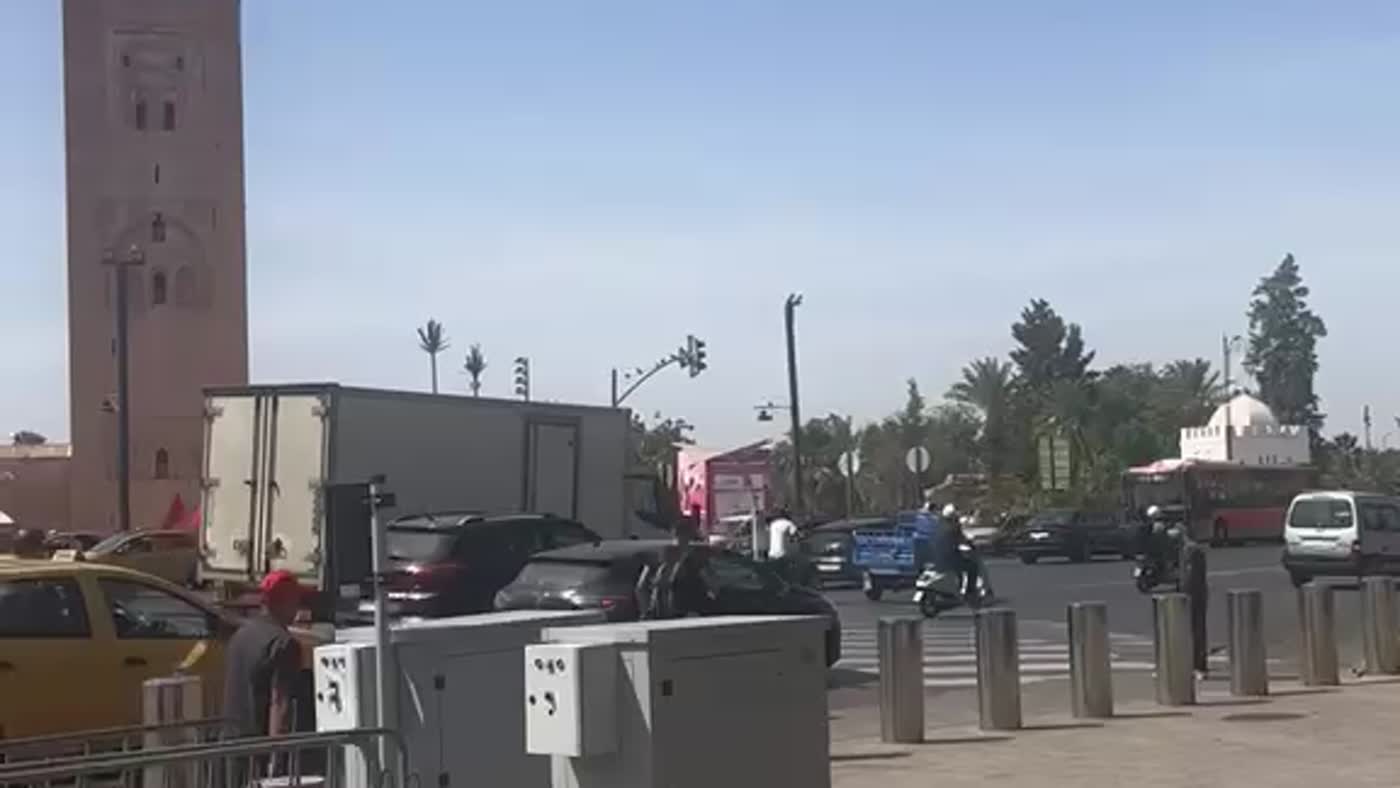
Juice carts, storytellers, music, henna and the smell of grilled food at night: Jemaa el-Fna is the beating heart of Marrakech. Here's what our local guides tell every guest before they step into the square.
At a glance
- Best time: Morning, or late afternoon to sunset
- Currency: Moroccan dirham (dh). Bring small change.
- Landmark: The Koutoubia minaret
- Say no politely: "La, shukran" (no, thank you)
When to go
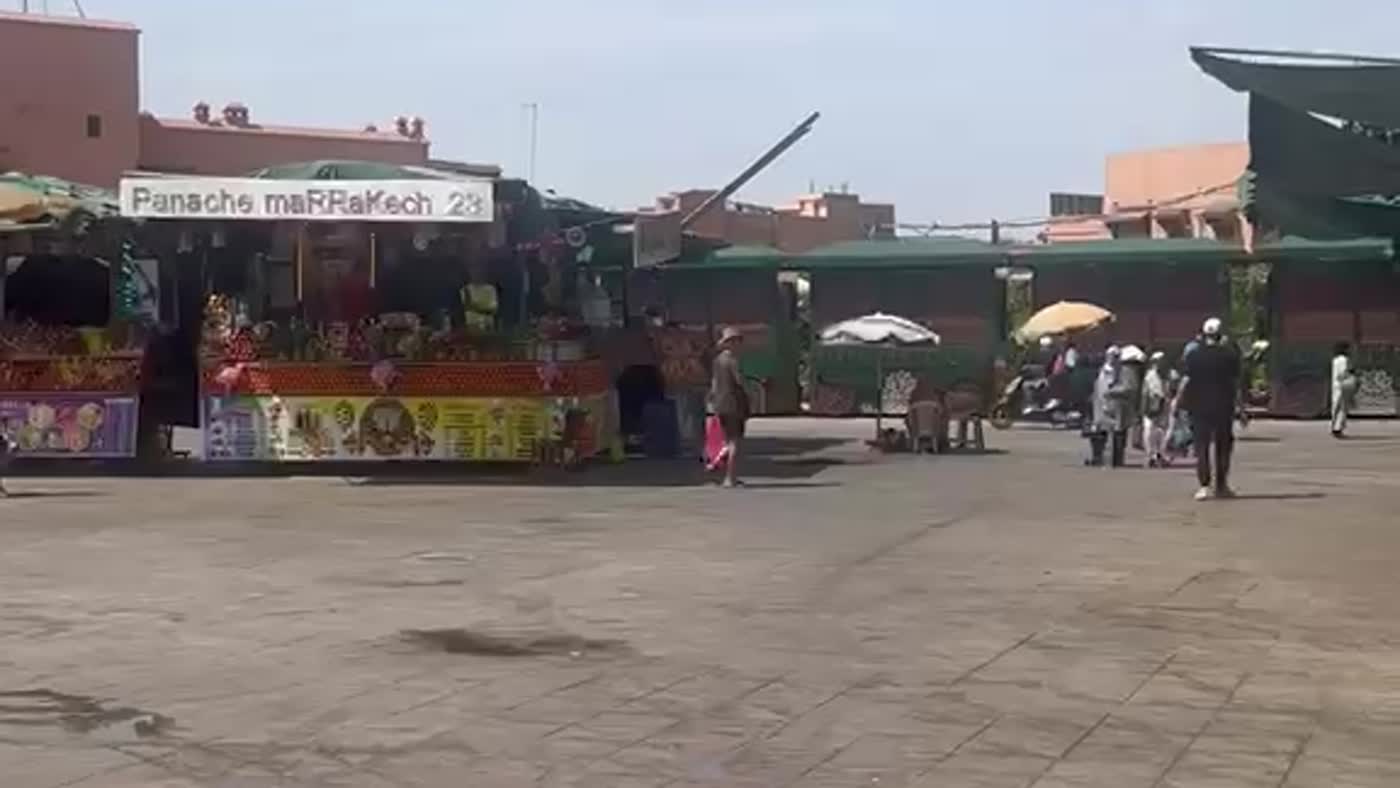
- Morning (9 to 11): Calm, cooler and good light for photos. Juice carts and dried-fruit stalls are open.
- Late afternoon (16:00 onward): Performers arrive and the crowds build.
- Sunset: The best moment. Watch from a rooftop café as the food stalls light up.
- Summer: Avoid 12:00 to 16:00. The open square gets very hot.
Fresh juice carts
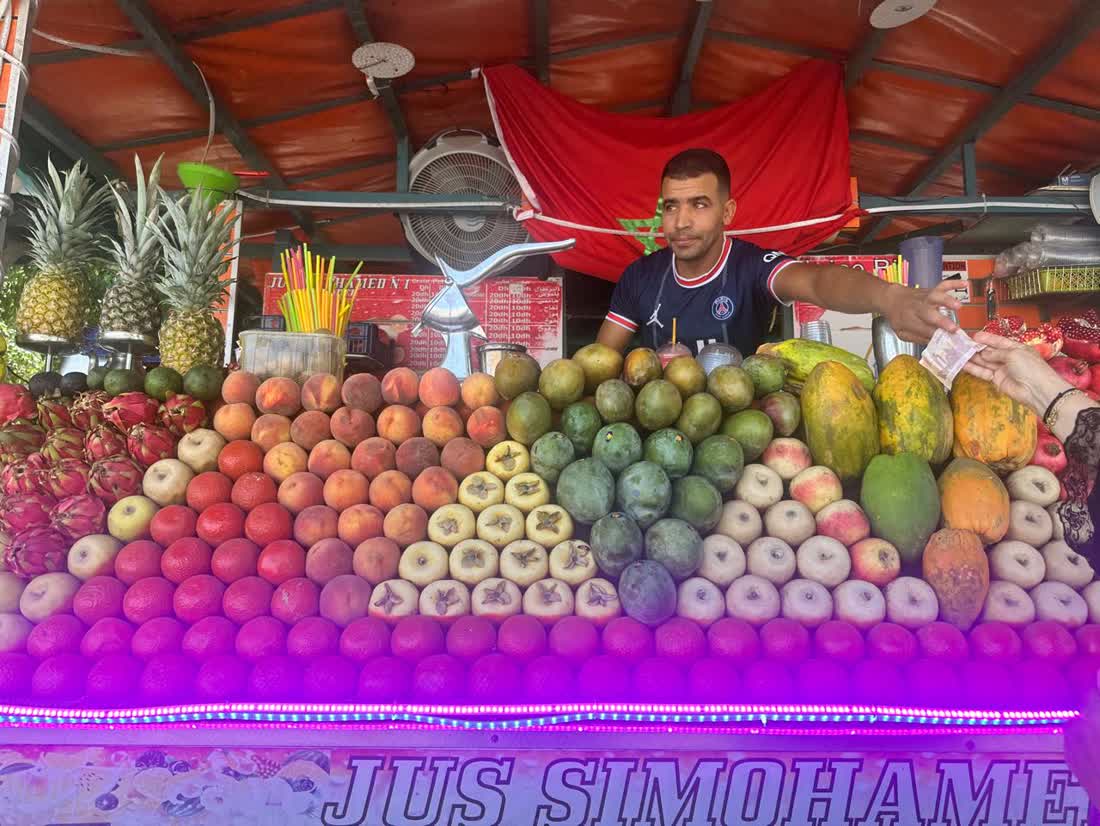
- The carts are numbered. Remember the number of the one you like.
- Order fresh orange, or try a mix of pomegranate, mango or avocado.
- Prices are posted on the board above each cart. Check before ordering.
- If someone from another cart says "this is the same stall", check the number.
Photos: the number one surprise
- Performers, water sellers and handlers in the square expect money for photos, even from a distance.
- Ask first, agree the price, then take the photo. A tip of 10 to 20 dh is usual.
- Want a photo with the monkey handlers or snake charmers? The same rule applies: agree the price first.
- Not interested? A friendly "La, shukran" is enough. Keep walking.
- Always ask before photographing local people, especially women and children.
Henna
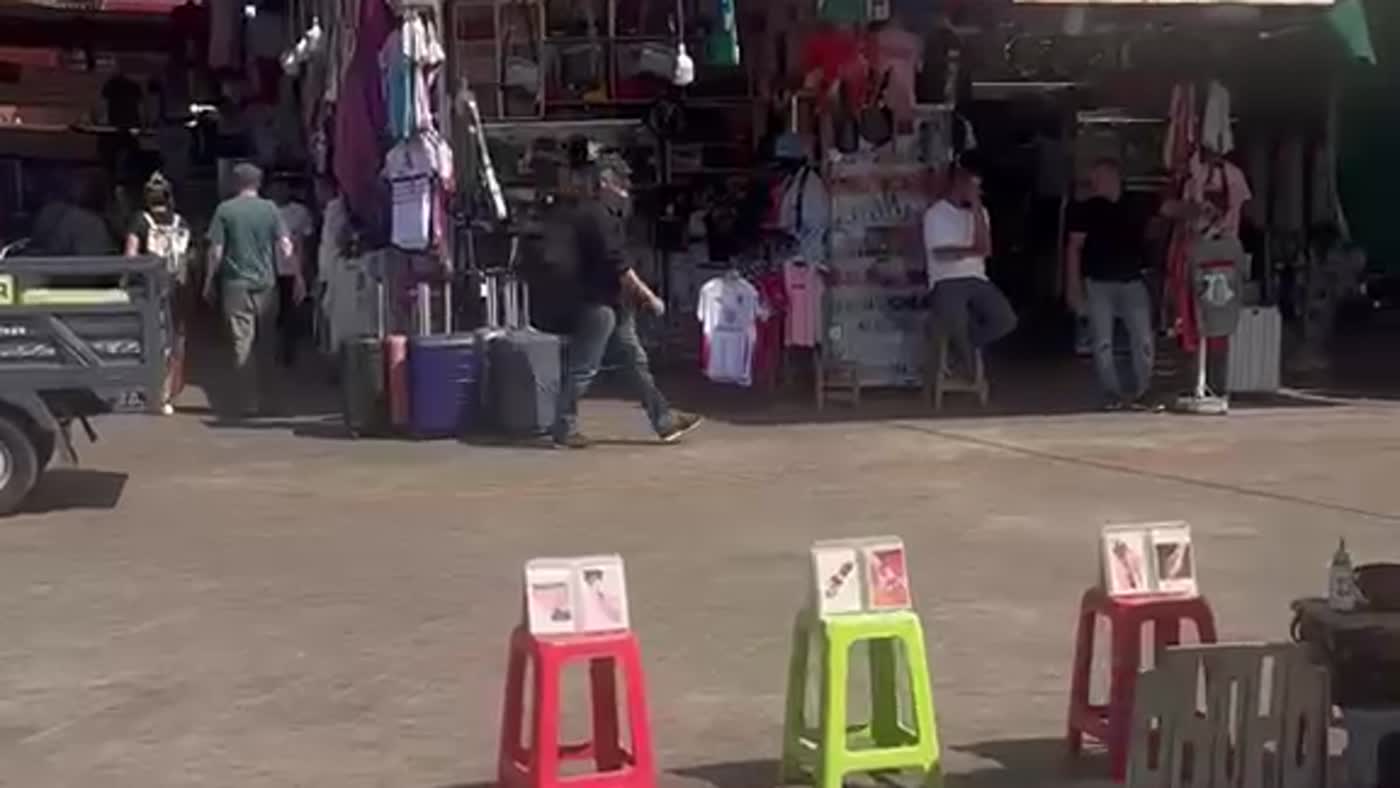
- Henna artists sit on small stools with design boards.
- Agree the price and the design before they start. Some start drawing without asking.
- Avoid "black henna", which can cause skin reactions. Natural henna is brown or orange.
Shopping in the souks
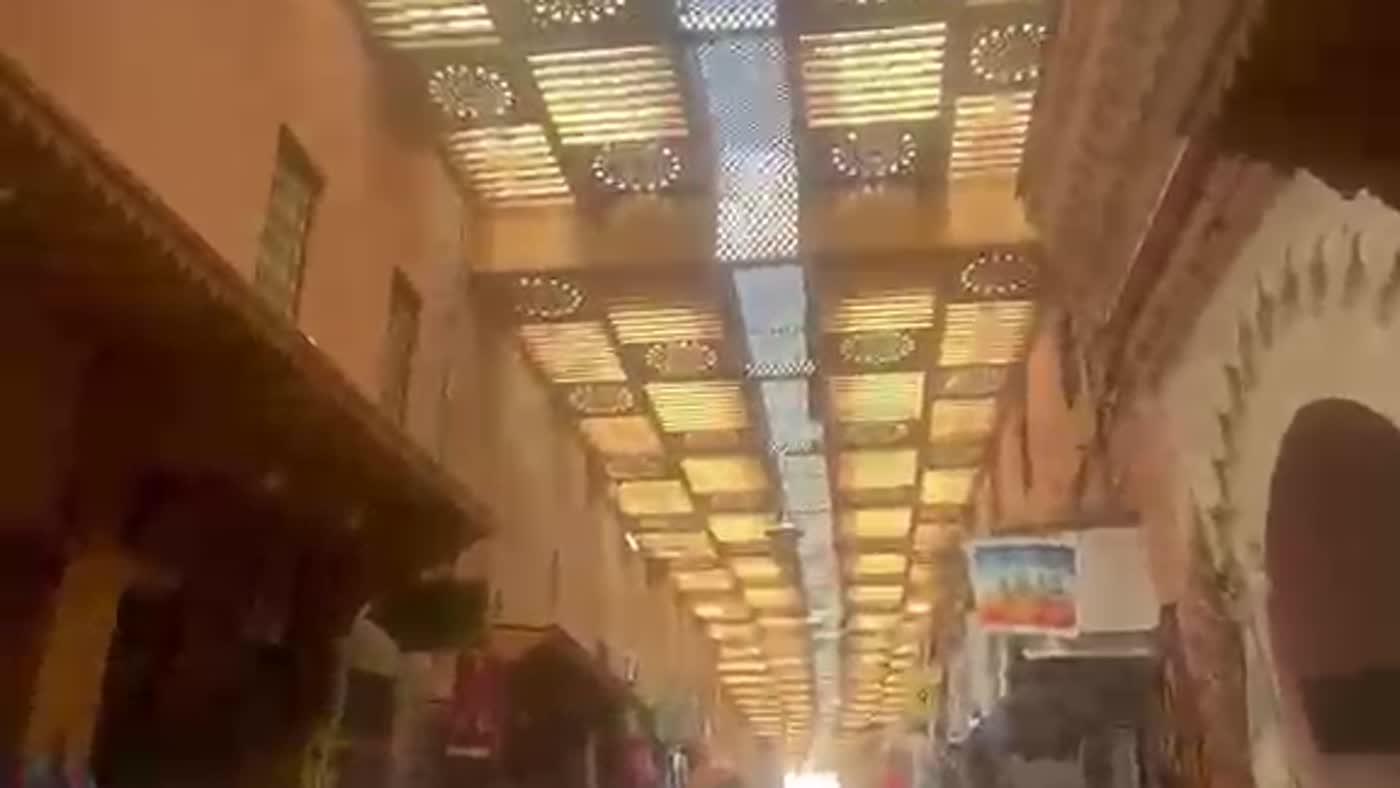
- Bargaining is expected. A fair price is often 40 to 60% of the first price asked.
- Stay friendly and smile. If the price doesn't work, say thank you and walk away. That often brings a better offer.
- Accepting mint tea in a shop doesn't mean you have to buy.
- Be wary of strangers saying "that way is closed" or offering to show you the way. This usually leads to a commission shop.
Each lane of the souk traditionally belongs to one craft: leather, brass, carpets, spices. A guide takes you straight to the makers.
Money
- Carry small notes and coins in dirhams. Many vendors can't change a 200 dh note.
- You can change money at the bureaux de change around the square. Look for the "Exchange" signs.
Staying safe
- Keep bags in front of you and phones secure in crowds, especially at sunset.
- Use the Koutoubia minaret as your landmark. You can see it from the square.
- Agree taxi and calèche prices before you get in, or ask for the meter in petit taxis.
Night food stalls
- From around 18:00 the food stalls set up in the middle of the square.
- Choose busy stalls with prices displayed.
- Staff will invite you in, which is part of the fun. You don't need to sit at the first one.
- Try harira soup, grilled meat skewers, snail soup and sfenj (doughnuts).
- Bread and small plates put on the table may be charged. Ask if you're unsure.
What to wear
- Comfortable shoes. Souk lanes are uneven and crowded.
- Light clothing that covers your shoulders and knees is respectful and keeps you cool.
- A hat, sunglasses and water.
Useful words in Darija
- Salam
- Hello
- Shukran
- Thank you
- La, shukran
- No, thank you
- Bshhal?
- How much?
- Ghali bzaf
- Too expensive
- Bslama
- Goodbye
Frequently asked questions
When is the best time to visit Jemaa el-Fna?
Early morning for a calm visit and photos, or late afternoon into sunset for performers and the night food stalls.
How much does fresh orange juice cost in Jemaa el-Fna?
Prices are posted on a board above each numbered cart. Check the board before you order.
Do you have to pay to take photos in Jemaa el-Fna?
Performers and handlers usually expect a tip for photos. Agree the price first. 10 to 20 dh is common.
Is it safe to visit Jemaa el-Fna?
Yes. It's busy and lively. Keep your bags in front of you in crowds, agree prices before you buy, and ignore strangers who say a street is closed.
Do I need a guide for the Marrakech souks?
No, but a local guide saves time, takes you straight to genuine craftsmen and helps you pay fair prices.
Prefer to explore with a local?
Our guides take you through Jemaa el-Fna and the souks: the best juice, the right prices, and no tourist traps. Stay at Riad Bab Atlas in the Palmeraie, and our private driver brings you to the square and back.