Guides
Marrakech Souks Guide: What to Buy and How to Haggle
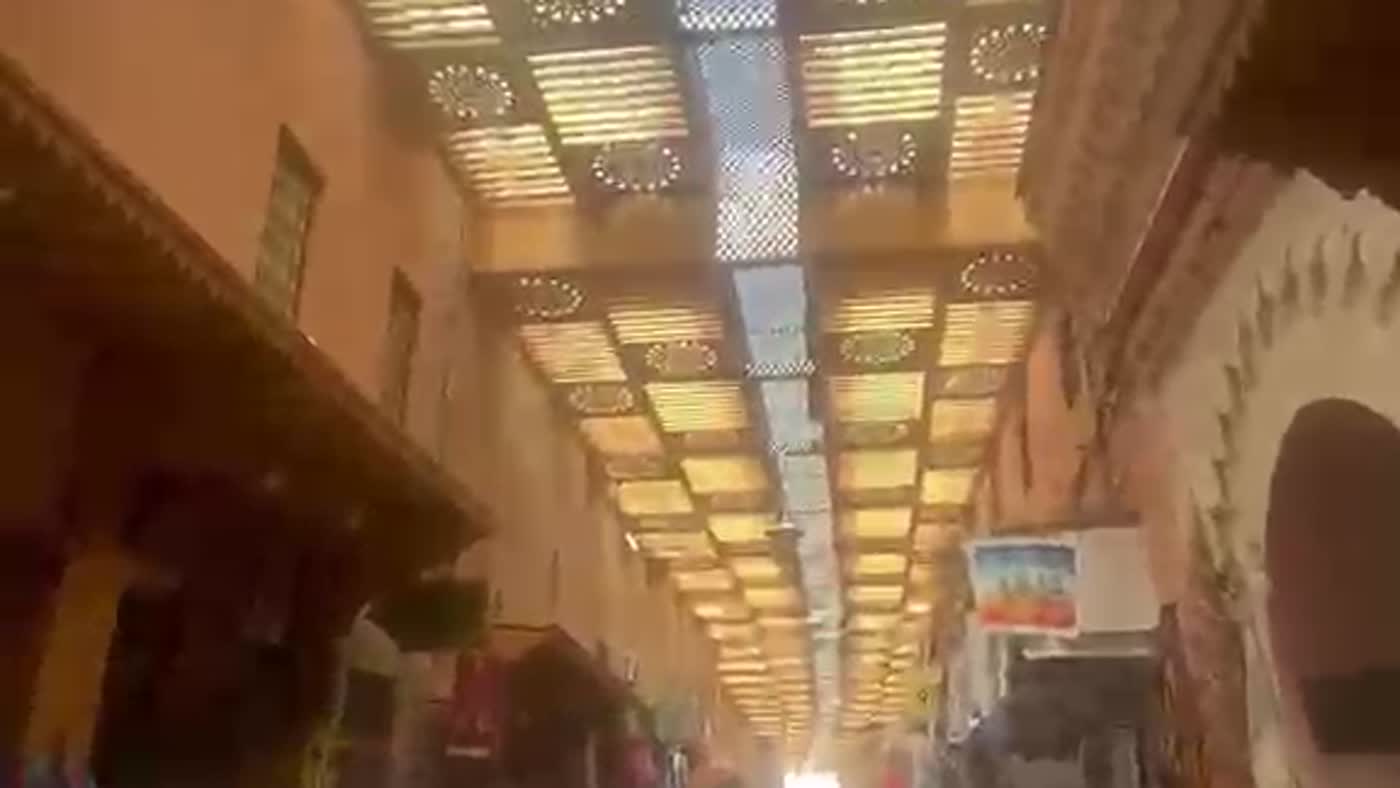
The souks of Marrakech are the maze of market streets just north of Jemaa el-Fna. Each lane once had its own trade, and many still do: spices in one corner, leather slippers in another, lanterns and ironwork further in. It is one of the best things to do in Marrakech, and also the place where first-time visitors most often get lost or overpay. Here is how the souks are laid out, what is worth buying, and how to haggle without stress.
The short answer
- Where: enter from the north side of Jemaa el-Fna, along Souk Semmarine.
- When: mid-morning, once shutters are up and before the afternoon crowds. Many shops are quieter on Friday around midday prayers.
- How long: plan two to three hours for a first walk, longer if you are shopping for a rug.
- Bring: small notes and coins in dirhams, comfortable shoes, and a pinned map on your phone.
The main souks and what each sells
| Souk | What you will find |
|---|---|
| Souk Semmarine | The main covered street north of Jemaa el-Fna. Textiles, slippers, lamps, and a bit of everything. A good first walk to get your bearings. |
| Souk el Attarine | Spices, perfumes, and brass and copper work. Look for argan oil, saffron, ras el hanout, and engraved trays. |
| Souk des Babouches | Rows of leather slippers (babouches) in every colour. Compare stitching and soles before you choose. |
| Rahba Kedima | A small open square with spice and herb stalls, woven baskets, and rooftop cafés above it. |
| Souk Haddadine | The blacksmiths' quarter. Lanterns and ironwork are made here, and you can watch the craftsmen work. |
| Souk des Teinturiers | The dyers' souk, where skeins of freshly dyed wool sometimes hang overhead to dry. |
| Criée Berbère | The old carpet market. Many carpet shops are around it if a rug is on your list. |
What to buy in the Marrakech souks
- Babouches: soft leather slippers. Check that the sole is stitched, not only glued.
- Lanterns and metalwork: pierced brass and iron lanterns, trays, and teapots. Ask how they ship or pack for a suitcase.
- Spices: ras el hanout, cumin, and saffron. Buy saffron from a busy shop and look for deep red threads.
- Argan oil: cosmetic and culinary argan are different products. Buy sealed bottles and ask which one you are getting.
- Ceramics and tagine dishes: decorative tagines are not always safe for cooking, so ask if you plan to use one.
- Rugs: the biggest purchase most visitors make. Take your time, compare a few shops, and never buy on the first visit if you feel rushed.
How to haggle in Marrakech
Bargaining is expected in the souks, and it is meant to be friendly. A few habits keep it easy:
- Decide what the item is worth to you before you ask the price.
- Let the seller name the first price, then answer with a calm counter-offer well below it.
- Meet somewhere in the middle over a few rounds. Smile, take your time, and accept mint tea if it is offered; it does not oblige you to buy.
- Only start bargaining if you would really buy at a fair price. Walking away after agreeing a price is considered rude.
- Walking away politely before a price is agreed is fine, and sometimes brings a better offer.
- Fixed-price shops and cooperatives exist if you would rather not bargain at all.
Avoiding common hassles
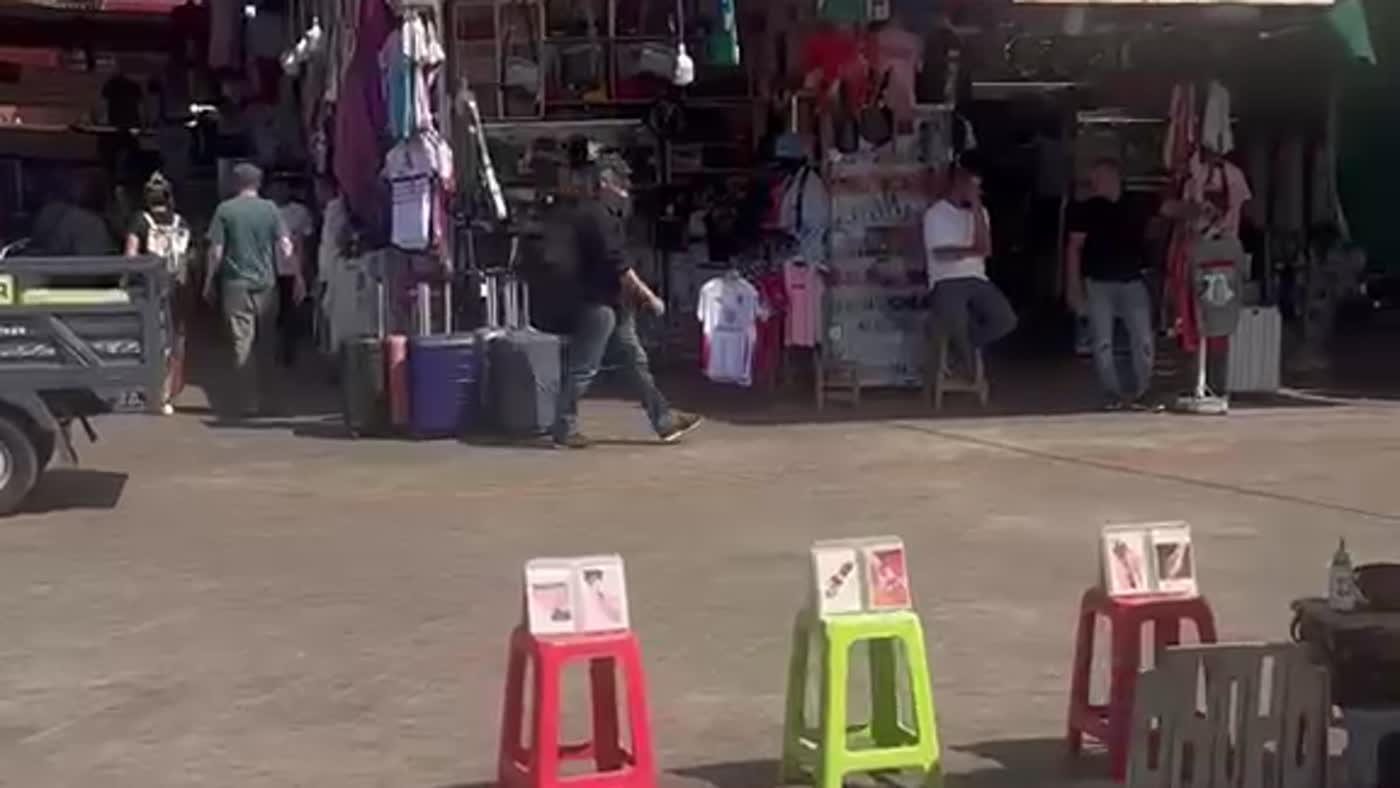
- If someone says a street is closed or offers to show you the way, a polite "no, thank you" and walking on is enough. Unofficial guides usually expect payment or lead you to shops that pay them.
- Agree on the price of a henna design before the artist starts.
- Ask before photographing people or stalls. Some sellers expect a small tip for photos.
- Keep your phone and wallet in a front pocket in crowded lanes, and watch for scooters.
- If you get lost, head toward the busiest street; it usually leads back to Jemaa el-Fna. Our Jemaa el-Fna guide covers the square itself.
Should you take a guide in the souks?
You can explore the souks on your own, and many people enjoy getting a little lost. A licensed local guide helps if you have only a day or two, want to see the craftsmen's workshops and hidden corners, or would like someone to explain prices and quality before you buy a rug or lanterns. We can arrange a Jemaa el-Fna and medina walk with a licensed local guide as an extra on any stay or tour. Ask on WhatsApp or through the inquiry form.
After the souks
After a morning in the medina, a quiet base helps. In the Palmeraie, Riad Bab Atlas has 4 bedrooms and 2 shared pools, sleeps up to 8, and has a 3-night minimum, with breakfast on the first morning. A private driver can drop you at the edge of the medina and collect you with your shopping. Planning the rest of your days? See our 3-day Marrakech itinerary.
Frequently asked questions
Where are the souks in Marrakech?
The main souks fill the medina just north of Jemaa el-Fna. Souk Semmarine is the main covered street in, and the spice, slipper, metalwork, dyers', and carpet souks branch off it.
What time do the Marrakech souks open?
Most shops open mid-morning and stay open into the evening. Mid-morning is the calmest time to walk, and some shops close for a while on Friday around midday prayers.
Do you have to haggle in Marrakech?
In the souks, yes, bargaining is normal and friendly. Let the seller name a price, counter well below it, and meet in the middle. Only bargain if you would really buy, and use fixed-price shops or cooperatives if you prefer not to haggle.
What is worth buying in the Marrakech souks?
Leather babouche slippers, brass and iron lanterns, spices such as ras el hanout and saffron, argan oil in sealed bottles, ceramics, and rugs. Take your time with big purchases and compare a few shops.
Do I need a guide for the Marrakech souks?
No, but a licensed local guide saves time, shows you craftsmen's workshops, and helps with prices and quality. Avoid unofficial street guides. We can arrange a Jemaa el-Fna and medina walk with a licensed local guide as an extra.