Guides
What to Wear in Marrakech: A Season-by-Season Guide for Visitors
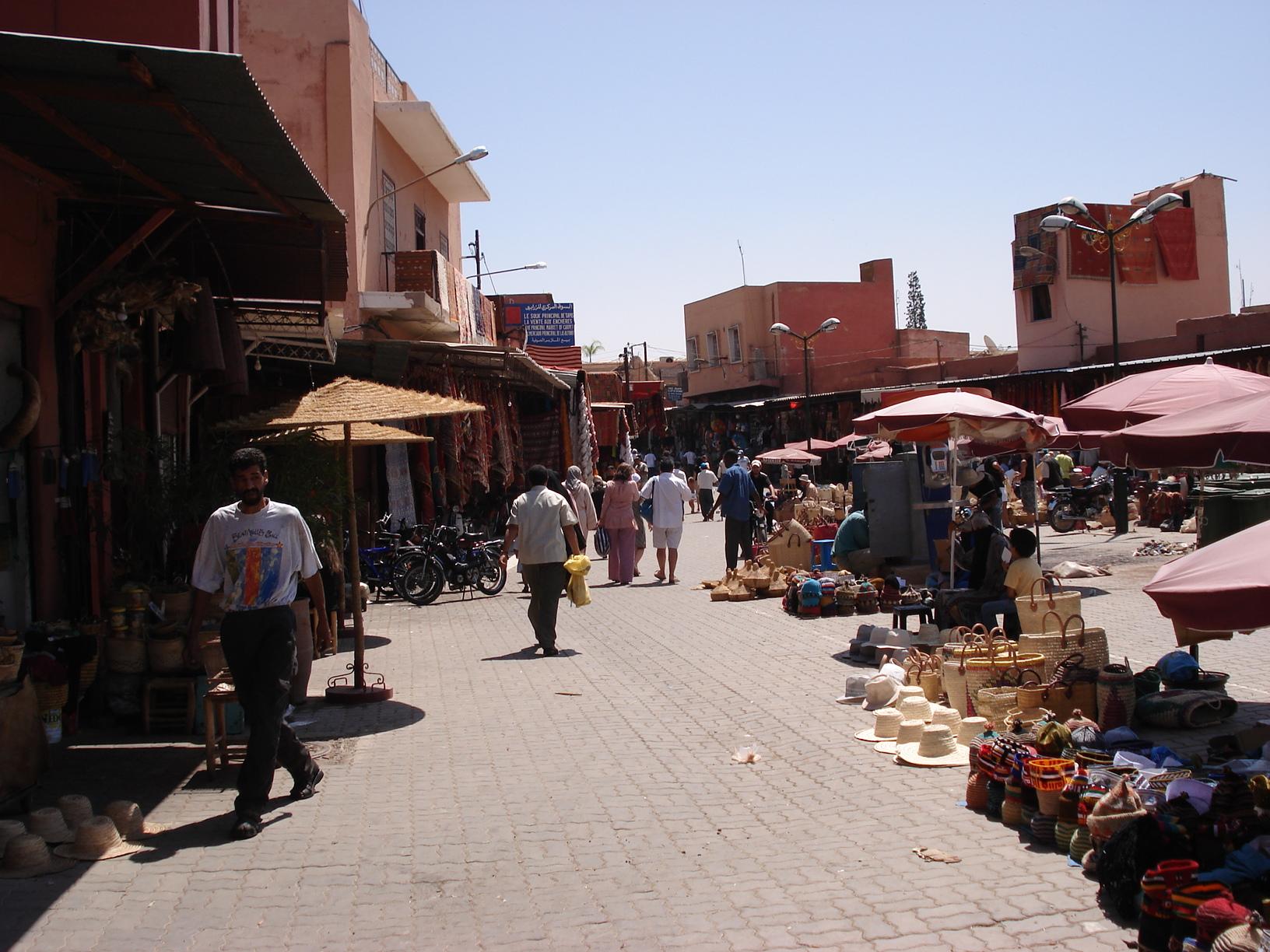
“What should I wear in Marrakech?” is one of the first questions guests ask us, and it is a fair one. Morocco is a Muslim country with relaxed big-city habits, a desert climate that swings from summer heat to chilly winter nights, and day trips that go from palm groves to snowy Atlas passes in a couple of hours. Nobody expects visitors to dress like locals, but a few simple choices make the medina more comfortable, help you blend in, and spare you from shivering at a sunrise balloon launch.
Here is what our local guides tell travelers before they land.
The short answer
- Cover shoulders and knees in the medina, souks, and villages. Loose, light fabrics (cotton, linen) work all year.
- Bring a layer. Even in warm months, mornings and evenings can be cool, and from November to February nights get properly cold.
- Wear closed, comfortable walking shoes. Medina lanes are uneven and shared with scooters and carts.
- Pack a light scarf. It covers shoulders, keeps off sun and dust, and is useful if you visit a religious site that allows non-Muslims.
- Swimwear is for pools only. Change before walking through public areas.
There is no law that tells tourists what to wear, and no one expects a headscarf from non-Muslim visitors. These are courtesy and comfort tips, not rules.
Modest dress in the medina: what it means in practice
Marrakech is used to visitors, and in Gueliz, at the big hotels, and around your riad pool you will see every style. Inside the old medina, around Jemaa el-Fna, and in the souks, most Moroccans dress more conservatively, and covering up a little simply means less attention and fewer comments from touts.
For women: loose trousers, midi or maxi skirts, linen dresses with sleeves, or a T-shirt with a light shirt or scarf over it are all fine. Skin-tight or very short clothing tends to draw stares and calls in the busiest lanes. You do not need to cover your hair.
For men: long shorts are common, but trousers or light chinos fit in better in the medina and are expected in villages. Sleeveless tops look out of place away from the pool.
For everyone: think “covered but cool”. Breathable long sleeves protect from the sun better than sunscreen alone.
Most mosques in Morocco, including the Koutoubia, are closed to non-Muslims, so you will mostly see them from outside. Historic sites you can enter, such as the Bahia Palace, the Saadian Tombs, Ben Youssef Madrasa, and Jardin Majorelle, have no formal dress code, but the same modest-dress habit applies.
What to wear in Marrakech by season
For a month-by-month look at weather and crowds, see our best time to visit Marrakech guide. For packing:
Spring (March to May)
Warm, sunny days and cool evenings. Pack light trousers or skirts, T-shirts plus a long-sleeve layer, a light jacket or sweater for night, sunglasses, and a hat. Rain is possible early in spring, so a thin waterproof is handy for Atlas day trips.
Summer (June to September)
Marrakech summers are very hot and dry; afternoons regularly reach the upper 90s °F (high 30s °C) and heatwaves can push past 104 °F (40 °C). Loose, light-colored cotton or linen that covers shoulders and knees is cooler than bare skin in direct sun. Add a wide-brimmed hat, sunglasses, high-SPF sunscreen, and a refillable water bottle. Plan medina walks for morning and evening and spend the afternoon by the pool.
Autumn (October and November)
Some of the most comfortable weather of the year: warm days, cooler evenings, and the first chilly nights by late November. Pack as for spring, with a warmer layer for evenings on a roof terrace.
Winter (December to February)
This surprises many visitors. Days are often sunny and pleasant, in the 60s °F (around 18-20 °C), but nights drop to the low 40s °F (around 5-7 °C), and older buildings are not always well heated. Bring a warm sweater or fleece, a proper jacket, long trousers, closed shoes, and something warm to sleep in. If you are heading into the High Atlas (for example on an Imlil day trip), expect snow on the peaks and cold, sometimes icy paths: add a hat, gloves, and shoes with grip.
Day trips and the desert: special cases
Agafay Desert. Agafay is a stony desert about 40 minutes from Marrakech. Afternoons can be hot and dusty, and it gets cold quickly after sunset. Wear closed shoes, bring a scarf for dust (essential on an Agafay quad ride), sunglasses, and a warm layer for the evening. Our Agafay desert day tour runs from Marrakech.
Sahara (Merzouga). On a multi-day trip such as the Marrakech to Fes 4-day Sahara tour, pack for big temperature swings: sun protection by day, and a warm jacket, hat, and socks for the desert camp at night, especially from November to March. Our Agafay vs Merzouga guide compares the two.
Hot air balloon. Balloon flights launch around sunrise, when the air outside the city is cold for most of the year. Wear layers you can remove later, plus closed shoes. More in our hot air balloon Marrakech guide.
Ourika, Imlil, and Ouzoud. Valley and waterfall trips mean uneven paths, river crossings on stones, and sometimes wet rock. Trainers or light hiking shoes with grip beat sandals. See the Ourika Valley and Ouzoud Falls guides.
Essaouira. The coast is often windy and cooler than Marrakech, even in summer. Bring a windbreaker or light sweater for an Essaouira day trip.
Shoes: the most important item
Medina lanes are cobbled or packed earth, sometimes wet from shops washing their fronts, and you will walk more than you expect. Pack:
- Comfortable closed walking shoes or trainers for the medina and day trips.
- Sandals with a back strap for warm evenings and the riad.
- Light hiking shoes if you plan an Atlas walk.
Skip new shoes you have not broken in, and leave high heels at home unless you are going to a restaurant by car.
Ramadan and religious holidays
During Ramadan, many Moroccans fast from dawn to sunset. Visitors are not expected to fast, and riads, hotels, and many restaurants keep serving, but dressing a little more conservatively and avoiding eating or drinking openly in the street during the day is appreciated. Ramadan 2027 is expected to begin around February 8; exact dates depend on the moon sighting.
Our Marrakech packing checklist
- Loose trousers, skirts, or dresses covering the knees
- T-shirts plus 1-2 light long-sleeve shirts
- A light scarf or shawl
- A warm sweater or fleece (essential November to March)
- A jacket for winter nights, the desert, and the Atlas
- Comfortable closed walking shoes, plus sandals
- Swimwear for the pool
- Sun hat, sunglasses, sunscreen
- Refillable water bottle
- Small day bag that closes (for souks and day trips)
If you are staying with us at Riad Bab Atlas in the Palmeraie, you can keep the beach clothes for the two shared pools and the garden and change into medina clothes before your driver takes you into the old city.
Planning Marrakech? Tell us your dates and group size and our local team will help you plan days that fit the weather, from private driver days to day tours. Stays at Riad Bab Atlas are €325 a night with a three-night minimum, sleep up to 8 guests in four bedrooms, and include breakfast on the first morning only; stays of 3 nights or more include free airport pickup and drop-off by black car for 1-5 guests (+€50 for 6-8 guests). Contact us or message us on WhatsApp to check availability.
Frequently asked questions
Do women need to cover their hair in Marrakech?
No. Non-Muslim visitors are not expected to wear a headscarf. Covering shoulders and knees in the medina is a polite and practical choice, and a light scarf is useful to have in your bag.
Can I wear shorts in Marrakech?
Yes, especially around the pool, in Gueliz, and at hotels. In the medina, souks, and villages, knee-length or longer is more comfortable and draws less attention, for both men and women.
Is it cold in Marrakech in winter?
Days are often sunny and mild, around 18-20 °C (mid-60s °F), but nights can drop to around 5-7 °C (low 40s °F). Bring a warm sweater and a jacket, and more if you are going to the Atlas or the desert.
What shoes should I wear in Marrakech?
Comfortable closed walking shoes or trainers. Medina lanes are uneven and busy, and day trips to Ourika, Imlil, or Ouzoud involve rocky paths.
What should I wear for a desert trip from Marrakech?
Layers: sun protection, a scarf for dust, and closed shoes by day; a warm jacket, hat, and socks for the evening and night, especially from November to March.
Is there a dress code for Jardin Majorelle or the Bahia Palace?
There is no formal dress code at these sites. Modest, comfortable clothing and walking shoes are the sensible choice.